
Where we’re at:
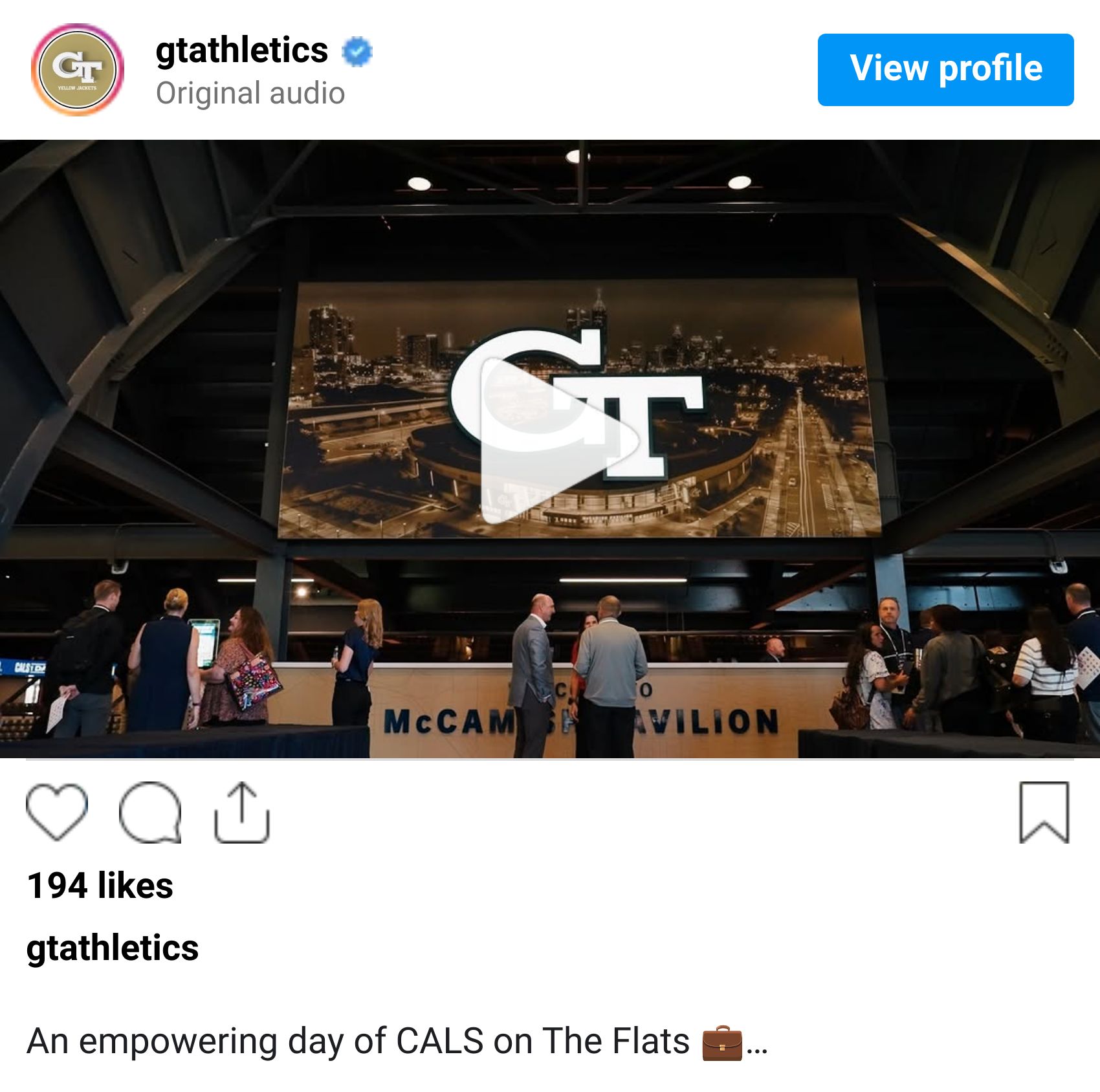
Kevin and Seth finished our week at CALS by speaking to 250 college athletic directors. It was an amazing day and an amazing event!


Read Time: 4.5 min, 1,050 words
📌 What’s inside:
🎯Why every program has a hidden curriculum
🧠 How athletes learn what actually matters
🌱 Why standards are formation, not just rules
📊 A simple audit for what your culture is teaching
🏁 How to coach becoming on purpose
Our first book, Lead Yourself First, is our field manual for coaches to build their Leadership. We’ve heard from many coaches who have read it, love it, and are taking their staff through it.
Haven’t gotten your copy yet?

Want More Content to Inspire Your Athletes?
We’ve started sending a Tuesday edition written directly for athletes.
Coaches can read it, forward it, print it, teach from it, or use it as a weekly conversation starter with their team.
The topic this week was Behaviors. To read more and have your athletes subscribe to the BETTER Athletes newsletter:
Your Program Is Always Teaching
Every program has two curriculums:
The one you talk about. And the one your athletes actually learn.
The first one is written in your values, standards, team rules, preseason meetings, and leadership talks.
The second one is written in what gets tolerated, rewarded, ignored, corrected, celebrated, and repeated.
That second curriculum is the one shaping your athletes the most.
Because your culture is always forming people.
The only question is whether it is forming them intentionally or accidentally.
One of the things we talk about often with coaches is this:
Your athletes are learning from you all the time.
Not just when you are teaching. Not just when you are speaking to the team. Not just when you are in a film session, staff meeting, or leadership workshop.
They are learning from what you notice, from what you ignore. They learn from what gets praised and what gets laughed off. They learn from who gets playing time and who gets confronted. They learn from what happens after a mistake. They learn from how you respond when you are frustrated. They learn from what you allow from your best players and what you demand from your role players.
And over time, they start to understand what actually matters.
Not what the poster says. Or the team manual. Or the preseason speech.
What actually matters.
Because every team has stated values, but every team also has lived values.
And the lived values always win.
🧠The Big Idea
Culture is not just the environment around performance. Culture is a formation system.
It is shaping the kind of people your athletes are becoming.
That is why standards matter.
Standards are not just rules. They are repeated opportunities to become a certain kind of person.
Being early is not really about being early.
It is about becoming the kind of person who respects preparation and other people’s time.
Cleaning the locker room is not really about cleaning the locker room.
It is about becoming the kind of person who takes ownership.
Responding well to coaching is not really about making the coach feel respected.
It is about becoming the kind of person who can receive truth without becoming defensive.
Encouraging a teammate is not really about being positive.
It is about becoming the kind of person who sees beyond themselves.
This is the deeper work of coaching.
You are not just trying to get athletes to behave.
You are helping them become.
🌱The Ohtani Connection
This is why Shohei Ohtani’s famous goal sheet matters. We wrote about it in Tuesday’s newsletter for athletes here.
Most people notice the center square: Become the #1 pick in the MLB Draft.
That is the obvious part, the outcome.
But the more important part is everything around it.
Manners.
Gratitude.
Reading books.
Coachability.
Emotional control.
Taking care of his body.
Being a good teammate.
Those are not just tasks. They are formation.
Ohtani was not simply asking, “What do I want to achieve?”
He was asking: “What kind of person does this goal require me to become?”
That is the question every program should be asking.
Not just: “What do we want to win?”
But: “What kind of people are we becoming while we chase it?”
Because if you are not careful, a team can chase big goals while becoming something it never intended to become.
Talented but entitled.
Competitive but selfish.
Disciplined in public but careless in private.
Successful but joyless.
Hard-working but disconnected.
Driven but anxious.
That happens when the goal is clear, but the formation is accidental.
⚠️ The Trap:
The trap for coaches is believing culture is what you say.
It isn’t.
Culture is what gets formed.
And what gets formed is usually the result of repetition.
What you reward. What you correct. What you allow. What you celebrate. What you overlook. The eye roll you don’t address teaches. The selfish body language you let slide teaches. The captain who gets special rules teaches. The talented player who treats teammates poorly teaches. The standard you enforce in September but stop enforcing in January teaches.
Those moments may seem small.
But small moments repeated over time become a curriculum.
And eventually, your athletes learn the lesson.
📊 A BETTER Culture Audit:
This week, instead of asking only, “What are our goals?”
Ask: “What is our program teaching?”
Here are five questions to walk through with your staff.
1. What do we say matters?
List your stated values. Toughness, discipline, joy, etc. Whatever the words are, write them down.
2. What do we actually reward?
What gets celebrated?
What gets attention?
What gets playing time?
What gets public praise?
Athletes will follow what gets rewarded.
3. What do we tolerate?
What behaviors have become normal that should not be normal?
What attitudes have you learned to work around?
What standards have slowly become suggestions?
What do your best players get away with?
What you tolerate teaches.
4. What do we correct immediately?
Correction reveals conviction. If something matters, it gets coached.
Not eventually. Now.
The goal is not to create fear.
The goal is to create clarity.
5. What kind of person is our environment forming?
If an athlete spends four years in your program, what kind of person are they more likely to become?
More responsible?
More coachable?
More courageous?
More grateful?
More disciplined?
More connected?
Or simply better at the sport?
🏁 A BETTER Thought
Your program is always teaching.
That is the weight of leadership. But it is also the opportunity.
Because when you become aware of what your program is teaching, you can begin to form people on purpose.
One standard. One conversation. One correction. One celebration. One ordinary moment at a time.
Culture forms people whether you mean it to or not.
So mean it.
🛠️ Want to Build Elite Culture?

Get BETTER’s Culture Playbook. A system designed to install a thriving, healthy, high-performance culture. Join over 1,000 coaches who use our Culture Playbook from youth club teams to national championship NCAA programs and everything in between.
